Mental Health Articles

Looking for guidance, inspiration, or a fresh way to see things? Take a moment to explore our articles on mental wellnes. You may discover the understanding, reassurance, or encouragement you’ve been looking for.

counselling and psychotherapy in singapore

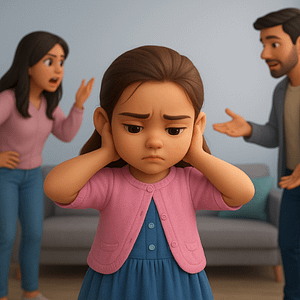
Circular arrows illustrating a repeating trauma loop

What is Trauma Loop

Sometimes, a reaction can feel much bigger than the moment that triggered it. Understand what is a trauma loop, why reactions keep repeating, and how to begin interrupting

Read More »

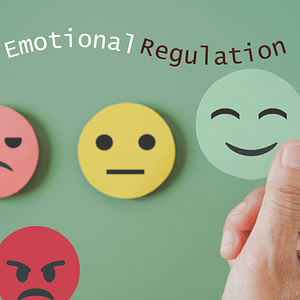
Talking about feelings

reflections from the therapy room Why it’s hard to talk about feelings (even in therapy) Going blank when someone asks how you feel is common, including in counselling.

Read More »

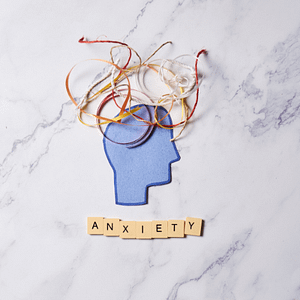
Anxiety and the Brain

Many of us know what anxiety feels like. This article explores the neurobiology of anxiety, which involves interactions among a network of brain regions, neural circuits and chemical
Read More »

Counselling Services FAQ

Counselling and psychotherapy provide a confidential space to explore emotional difficulties, life experiences and recurring patterns with a trained professional. The terms are often used interchangeably.

Counselling is a very broad term used in conjunction with many types of advice giving. In the context of mental health counselling, counsellors rarely offer outright advice. It is an active process of supporting clients to understand and resolve their what may be causing them difficulties.

Psychotherapy may involve more in-depth work with longstanding patterns or past experiences.

The approach taken can be adapted according to your needs and goals.

The first session gives you space to share what has brought you to counselling and what you hope may become different.

Your counsellor may ask questions to understand your situation and discuss possible ways of working together.

You are also welcome to raise any questions or concerns, and you will not be expected to disclose everything immediately.

It is also normal to feel anxious or somewhat apprehensive about speaking to a stranger for the first time. If at any moment, the experience does not feel right for you, do let your counsellor know.

Individual counselling sessions last 60 minutes.

When it is necessary, and when possible, extension beyond the 60 minutes session can be discussed with your therapist

This differs from person to person.
Some people benefit from shorter-term counselling focused on a particular concern, while others choose longer-term work for more complex or longstanding difficulties.

Your progress and needs can be reviewed periodically, with the frequency and number of sessions adjusted where appropriate.

It is worth noting that it may take a few sessions to build up the rapport and trust necessary for therapy to work.

People seek counselling for many reasons. You may be experiencing emotional distress, trying to understand recurring patterns, coping with a difficult experience or transition, improving your relationships, or seeking greater self-understanding. You do not need to have a diagnosis or wait until things become overwhelming before asking for support.

If you are uncertain, a free 20-minute consultation allows you to briefly discuss what you are looking for, ask questions about counselling and get an initial sense of whether the counsellor may be a suitable fit for you. If another type of support appears more appropriate, the counsellor can also discuss this with you.

The relationship with your counsellor is an important part of therapy because counselling often involves discussing experiences, emotions or patterns that may be difficult to share.

The therapeutic relationship differs from all other relationships you have. This relationship meant for you to feel respected, understood and emotionally safe enough to make it easier to speak openly, explore uncomfortable areas.

A good therapeutic relationship does not mean that every session will feel comfortable. Trust often develops over time. What matters is that you feel able to communicate honestly and work collaboratively with your counsellor

Information shared during counselling is treated as private and confidential. Exceptions may apply when there is a serious risk of harm to you or someone else, or when disclosure is required by law. Your counsellor can explain these limits at the beginning of therapy.

We adhere fully to the requirements of the Data Protection Act and the ethical framework set out by the SAC (Singapore Association of Counsellors) and APAC (Association for Psychotherapist and Counsellors).

Information on our fees and cancellation policy can be found on our fees page.

Counsellor & Psychotherapist in Singapore

speak to a counsellor

We offer counselling & psychotherapy for emotional well-being and personal growth at Gentle Mind.

Contact us if you would like to make a counselling appointment or learn more about us and our team.

Sessions are available in-person and online. In-person sessions are conveniently located in Orchard, Singapore.

Book AppointmentLearn more about us

Gentle Mind does not provide emergency or crisis services

For Immediate support in a crisis

If you or anyone you know are in need of immediate help, or facing a life-threatening situation, call 995 or go to the nearest hospital A&E.

If you are experiencing suicidal thoughts or need immediate emotional support, contact Samaritans of Singapore (SOS):

  • 24-hour hotline: 1767

  • 24-hour CareText via WhatsApp: 9151 1767

Samaritans of SingaporeInstitute of Mental Health